




Cookies help us deliver our services. By using our services, you agree to our use of cookies.
Search
.png "NutriAI")
US Dollar
EN
Calories
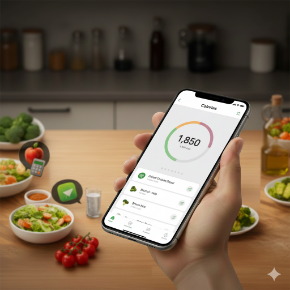
Nutri AI Calorie Category contains thousands of foods and their nutrition facts

Vegetable Oils
Vegetable oils can be made using everything from corn kernels to nuts and seeds. Most of the calories in vegetable oils comes from fats, but the nutrition facts will show that some vegetable oils also contain vital nutrients. If you view the nutrition label for vegetable oils you will find that they are very calorie-dense and that the nutritional value varies greatly depending on the food used to create the oil. Refer to the calorie chart below to determine the calories and nutritional information for various vegetable oils.
$0.00

Animal Fat
Animal fats are a type of natural fat derived from animals and animal products (like milk) and they include things like lard, tallow, ghee, and butter. The nutrition facts for animal fats show that foods like butter and lard are primarily composed of saturated fat. Animal fat is typically used for cooking and, though it is higher in saturated fats and calories than many so-called “healthy” cooking oils like olive oil, that doesn’t mean that these foods can’t be healthy. Foods in the animal fat category are rich in flavor but because they contain a high number of calories and saturated fat, they are often deemed “unhealthy.” In reality, however, animal fats have many health benefits and surprisingly higher nutritional value than many plant-based fats. In regard to specific nutrition facts, you may need to check the nutrition labels for individual products to determine nutritional information such as calories and saturated fat content.
$0.00

Nuts & Seeds
Nuts and seeds are an excellent source of nutrition because, as the nutrition facts show, they contain heart-healthy fats and a number of important vitamins and minerals. Though nuts and seeds provide good nutritional value, they are still fairly high in calories so check the nutrition label for the serving size. Some nuts and seeds are rich in protein as well, so refer to the calorie chart for your favorite nuts and seeds to determine the calories and the nutritional information.
$0.00

Yogurt
Yogurt comes in a variety of flavors, from plain vanilla to exotic fruit flavors – there are also a wide variety of textures to choose from. For the most part, yogurt provides good nutritional value because it is often low in calories but rich in protein and various nutrients. If you refer to the nutrition label for certain yogurts, however, you will see that many are high in sugar. When shopping for yogurt, check the nutrition facts or refer to the calorie chart below to determine the sugar content and the nutritional information.
$0.00

Quark & Cottage Cheese
Quark and cottage cheese consists of drained cheese curd and it has a mild, sometimes sweet flavor. Even though quark and cottage cheese are dairy products made from milk, the nutrition facts will show that they are fairly low in both calories when compared to other cheeses. The calorie chart and nutrition label for quark and cottage cheese indicates that most of the calories come from protein but there is a good balance of carbs and fat. This nutritional information means that quark and cottage cheese provide good nutritional value while still being low in calories.
$0.00

Puddings & Custards
While pudding is typically a sweet dessert, it can also be a savory dish. Because puddings come in so many forms, the calories and nutritional information varies greatly from one type to another. Dessert puddings like rice pudding, chocolate pudding, and tapioca pudding are often dairy-based which makes them high in calories. Savory puddings, such as Yorkshire pudding and suet pudding, may be high in saturated fat and low in nutritional value. Refer to the calorie counter or nutrition label for your favorite puddings to determine the calories and nutrition facts.
$0.00

Dairy Drinks
In perusing the calorie chart below, you will find that dairy drinks take many forms and thus have greatly varied nutritional information. From milk shakes to flavored milks, dairy drinks can be high in calories but some offer good nutritional value. The nutrition facts for certain dairy drinks may show that a high percentage of calories come from fat, but the nutrition label may indicate a high concentration of valuable nutrients like calcium and B-complex vitamins. Consult the calorie chart below to determine the nutrition facts for your favorite dairy drinks.
$0.00

Poultry & Fowl
Poultry and fowl are some of the healthiest forms of animal protein because they are high in protein and relatively low in calories and fat. If you refer to the calorie chart for poultry and fowl, you will see that these foods are high in nutritional value. The nutrition facts for poultry and fowl vary, however, from one type to another – poultry typically includes domesticated birds while fowl refers to game birds. The nutrition label for both poultry and fowl, however, shows that these foods are a good source of nutrition. Refer to the calorie chart below to determine the nutritional information for poultry and fowl.
$0.00

Cold Cuts & Lunch Meat
Whether it be chipped ham, sliced turkey, or hard salami, most of the calories in cold cuts and lunch meat come from protein. The nutrition facts for these foods show that most cold cuts and lunch meats are a great way to increase your daily protein intake, but check the nutritional label because many cold cuts and lunch meats are high in calories and fat. The calorie chart below will show the calories and nutritional information for your favorite cold cuts and lunch meat. This is the best way to determine the nutritional value of your favorite cold cuts and lunch meat.
$0.00

Beef & Veal
Beef is the name given to the culinary meat of bovine species, primarily cattle, while veal is the name given to the tender meat of young calves. The nutritional value for these foods varies depending on the cut and the preparation method. Beef can be prepared by roasting, baking, grilling, frying or searing – it can also be incorporated into soups, stews and salads. If you check the nutrition label for a cut of beef, you will find that most of its calories come from protein.
$0.00
Recently viewed products
.png)
Payment options


